Monday marks the start of a high-profile wrongful death trial against Tesla in South Florida stemming from a 2018 crash that left two Fort Lauderdale high school students dead.
The family of one of the victims, Edgar Monserrat Martinez, filed a lawsuit against Tesla after the fiery crash.
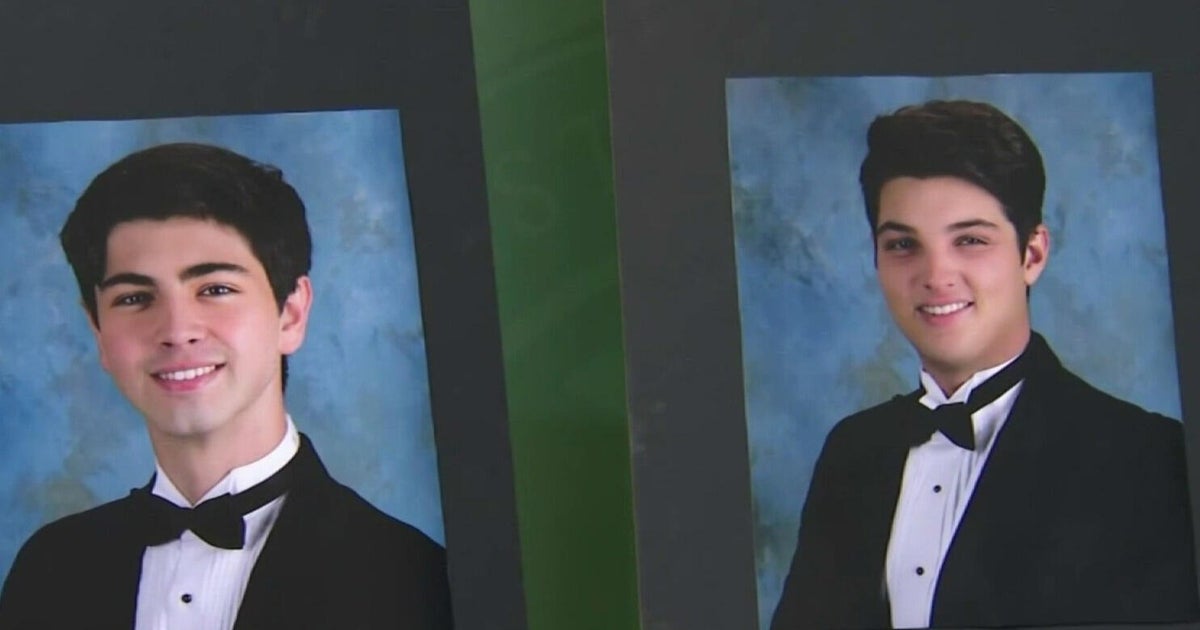
Martinez and Barrett Riley were seniors at Pine Crest School in Fort Lauderdale when Riley crashed into wall at a speed of 116 mph.
The case centers around a Tesla technician’s decision to allegedly remove a device limiting the vehicle’s speed, and whether that contributed to the fatal crash.
This lawsuit is just the latest in a string of proceedings testing how far Tesla’s liability extends when its vehicles and its decisions are at the center of a serious injury or death.
This current trial comes after a lawsuit was filed by the parents of Martinez, who was killed in the May 8, 2018 crash in Fort Lauderdale.
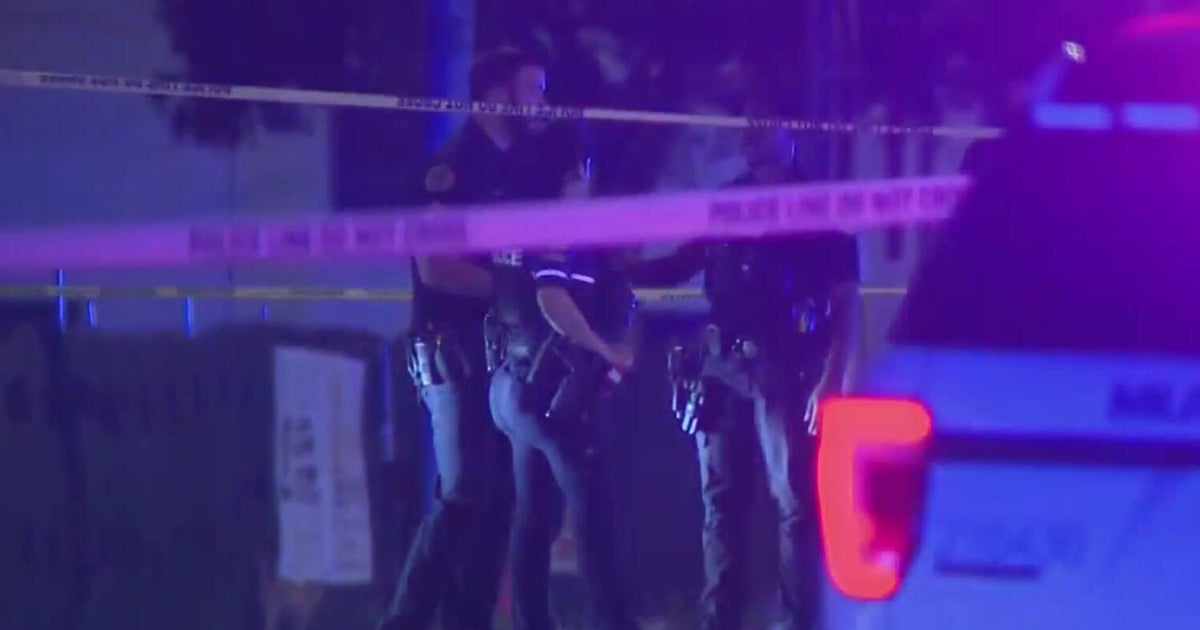
Riley was behind the wheel of the 2014 Tesla Model S and was driving 116 mph in a 30-mph zone when he lost control on a curve and struck a concrete wall. The vehicle then caught fire.
Both Riley and Martinez were killed.
Riley’s parents had previously installed a speed limiting device at a Tesla service center to cap the vehicle’s speed at 85 mph after a prior speeding ticket.
A Tesla technician then allegedly deactivated the speed-limiting device without the parents’ consent when Riley brought the Tesla in for service a month before the crash.
A judge has cleared the way for this trial after denying Tesla’s motions to exclude some expert testimony about the battery’s design.