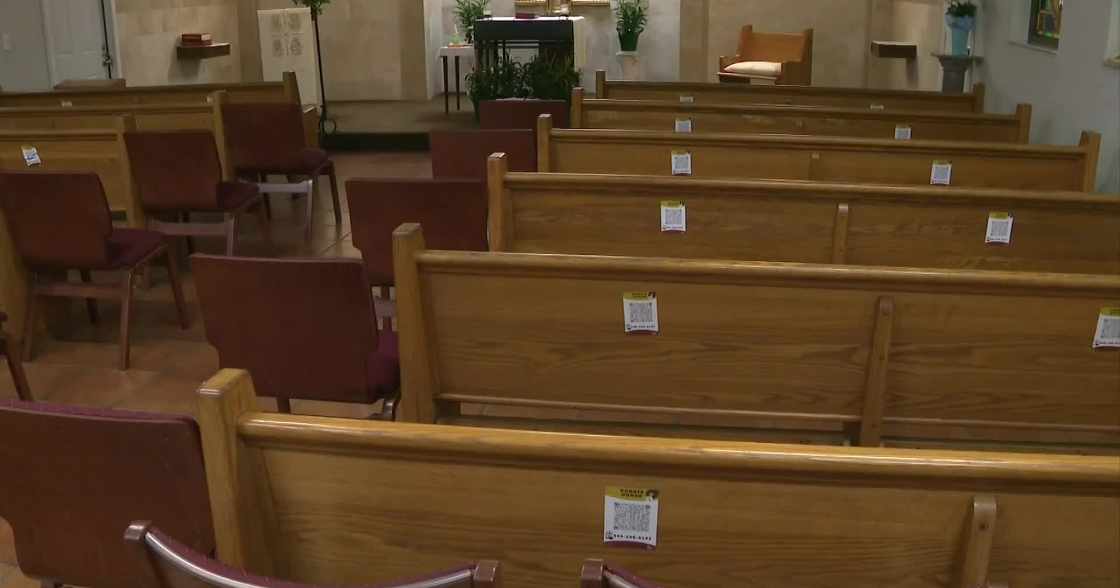
A new state law set to take effect July 1 will allow churches, synagogues, and other houses of worship to use armed volunteers for security—an option supporters say could improve safety while lowering costs.
The measure, signed into law by Ron DeSantis, was sponsored in part by Republican State Representative J.J. Grow. Lawmakers say the goal is to help religious institutions that cannot afford professional security guards.
Under the new law, certain unpaid volunteers will be allowed to provide armed security, and they will be exempt from some of the licensing requirements that apply to traditional security personnel.
At the Chabad Jewish Center of Doral and affiliated centers in Kendall and Pinecrest, leaders say the law will add an extra layer of protection.
CBS News Miami
Rabbi Yossi Harlig supports the measure, citing growing concerns about safety.
“People should be able to come to this synagogue and practice being Jewish and be proud—not be scared,” Harlig said.
He added that the Jewish community is facing what he described as “unprecedented times,” including rising antisemitism and global tensions that have heightened security concerns locally.
Still, Harlig said his congregation plans to go beyond the minimum requirements outlined in the law.
“In our synagogue, we’re going to ask people who want to be trained—they have to go through training with experts,” he said, emphasizing that volunteers will be known to the congregation.
Not all religious leaders support the idea of armed volunteers.
Father Albert Cutie of an Saint Benedict’s Episcopal church in Plantation expressed concern about introducing more firearms into places of worship.
CBS News Miami 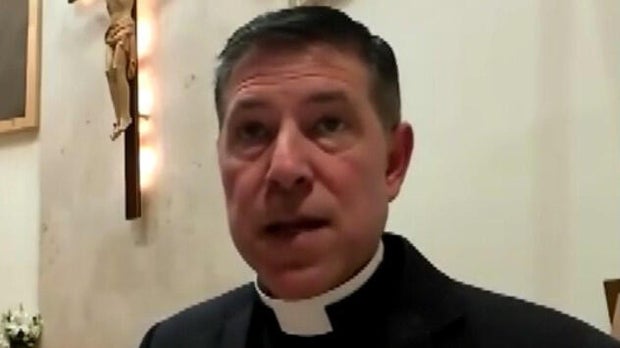
“I do worry that more guns usually means more problems,” Cutie said.
He also raised concerns about the responsibility placed on congregations to vet volunteers.
“This is going to put a lot of pressure on congregations to identify people who are not only licensed, but responsible and mentally fit,” he said.
Cutie made it clear his church does not plan to participate.
“Not authorized by us,” he said when asked whether armed volunteers would be allowed at his church after July 1.
As the law’s implementation date approaches, reactions remain mixed across South Florida’s faith communities.
Some see it as a necessary step in a changing security landscape, while others question whether arming volunteers is the right solution.
Meanwhile, Rabbi Harlig says several members of his congregation have already expressed interest in volunteering—signaling that, for some, the program could be quickly put into practice once the law takes effect.