On Monday, more than 800 faith leaders and community activists from across South Florida, crowded into the Corpus Christi Catholic Church in Miami to demand the Miami Dade County Commission move forward with opening the Miami Center for Mental Health and Recovery.
“Are we OK with being told to wait when lives are on the line?” said Quanda Dupree, of the St. Peters Missionary Baptist Church. “Or do we believe real accountability means keeping your word? Even when things aren’t guaranteed. We believe our communities deserve more than a delayed response. We deserve action.”
The center – which was promised to voters back in 2004 – would take mentally ill individuals out of the jail and move them into a place where they can receive comprehensive treatment and support. The county has spent more than $50 million renovating the building and two years ago, a pair of non-profit groups were selected to operate the facility while numerous local groups and agencies have pledged their support, including the Homeless Trust. Funding for the first two to three years of the center is already in place.
And yet, the center remains empty – not helping anyone.
An event took place to emphasize the need for the mental health center
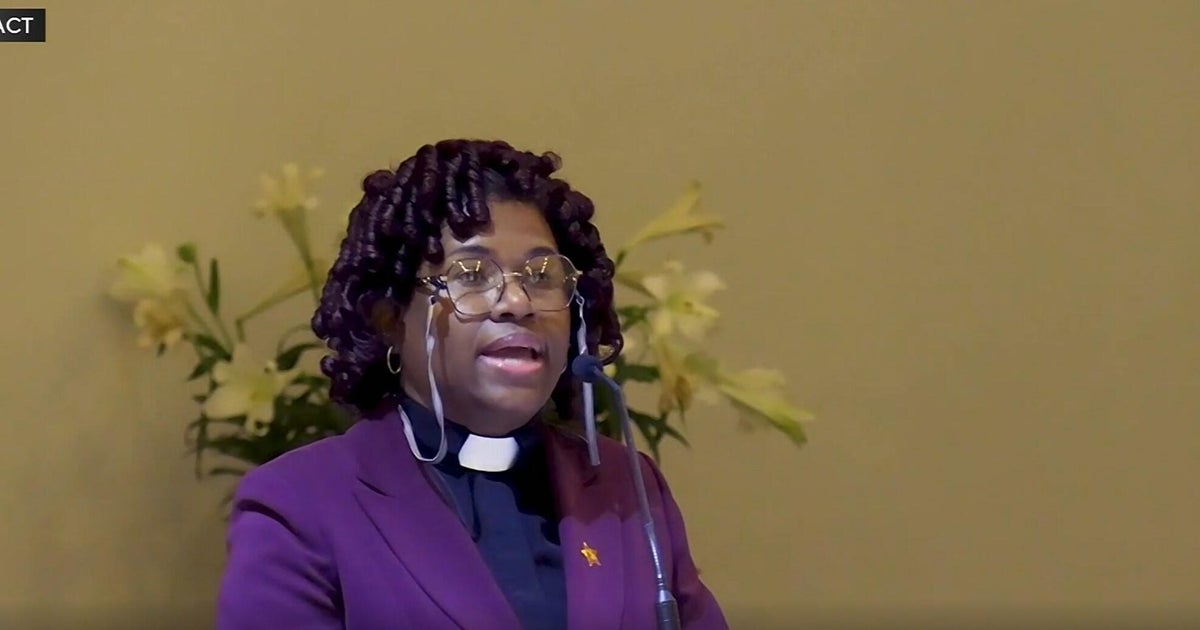
The organization that hosted the event was PACT – People Acting for Community Together. The President of PACT is Reverend Sherlain Stevens, of the Ebenezer United Methodist Church.
“We come from different traditions,” she told the crowd. “We speak different languages. We live in different neighborhoods. But we are united in one mission. And that mission is to love our neighbor as we love ourselves. We’re not here simply to attend an event. We are living out of faith and putting our beliefs into motion. Because loving our neighbor means more than kind words. It means making sure our neighbors have safe housing. It means, making sure, our neighbors have mental health care. And we all live in communities where everyone is treated with dignity and respect. No matter what our faith is, we stand in a long line of leaders who refuse to accept injustice as normal. That should not be the status quo.”
Many of the speakers noted that getting the center open was a matter of life and death for some in the community. And in perhaps the most powerful moment of the evening, Adam Saper, a former public defender, told the story of a young man whose life was lost as the center remained closed.
“When I met Jordan, he was locked up for taking food and water while living on the street. But that’s not where his story started,” he explained. “Jordan grew up in a loving family in a two-story townhouse in the suburbs. In elementary school, Jordan escaped a house fire that claimed the life of his two younger brothers.
“By his early 20s though, an untreated mental illness threatened Jordan’s future,” Saper continued. “For years, he wound in and out of court until a judge eventually sentenced Jordan to die in prison. Our system is simply not prepared to help people like Jordan. And so he was thrown away. For years we searched for a way to right this wrong. And we found hope. In the promise that this community made back in 2004 to open a center for mental health and recovery, a place where Jordan’s mental illness would be recognized as part of his humanity, somewhere he could live with care, treatment, and respect. That promise helped us reduce Jordan’s sentence, and after nearly a decade in prison, he could come home, not to the streets, but to the life in the center, as we then called it. But when the day came for Jordan’s release, the center wasn’t open. It was built but unfunded. So instead of putting Jordan in treatment, we did the best we could and we found apartment. Jordan’s new home didn’t come with mental health professionals, it didn’t come with a transition plan, no medication, no therapy, no care. The county chose to put our money elsewhere. And Jordan, he too chose a different path. Fed up with not being seen as human, Jordan left his apartment one evening, turned west, and only a few blocks later, walked out onto the railroad tracks and took his own life. He wasn’t supposed to be there. He was supposed to receive care. We made a promise to Jordan. The county broke that promise, and Jordan paid the ultimate price.”
Important Miami-Dade political figures also attended the event, saying they will push to open the center
Mayor Daniella Levine Cava was there, reaffirming her support. County Commissioners Raquel Regalado, who has been leading the fight for the center, and Oliver Gilbert were there to say they would continue to push to get the center open.
Gilbert said it was a mistake that the delay seems to be grounded in the notion that the center should have to pay for itself, by diverting people away from the jail. Supporters of the project believe it will save money, but Gilbert stressed that shouldn’t be the litmus test.
“I support the facility. I support opening it. I disagree with this dialog completely,” he said. “We set up this paradigm where we believe this service has to pay for itself. I think that was the wrong approach. I think that’s the wrong conversation. Services don’t necessarily have to pay for themselves in this way. I’ve had family members who were mentally ill, I don’t want them treated in jail, I want them treated in the facility. If we can do that, we should do that. I am willing to commit tax dollars to do that.”
Commissioner Vicki Lopez had said she would attend but cancelled at the last minute, saying she had a family emergency.
The remaining county commissioners didn’t respond to PACTs request.
“It is disappointing to me that they were not able to make it here tonight,” said Reverend Jess Williams of the First United Methodist Church of Coral Gables. “And for those who didn’t respond to our invitation at all, it saddens me. And I think that it’s important for all of us to continue to make our voice heard, to put pressure on them and that they should be coming in front of the people they represent. They claim to care about us. They have been elected by us. We need to continually put them in the right position.”
Reverend Williams said he was particularly frustrated that his own commissioner, Natalie Milian Orbis, wasn’t there. In fact, he said he has tried repeatedly to meet with her, but so far, she has refused to see him.
Orbis did not respond to a request for an interview.
Orbis was appointed last year to the county commission and is on the ballot for the first time this August.
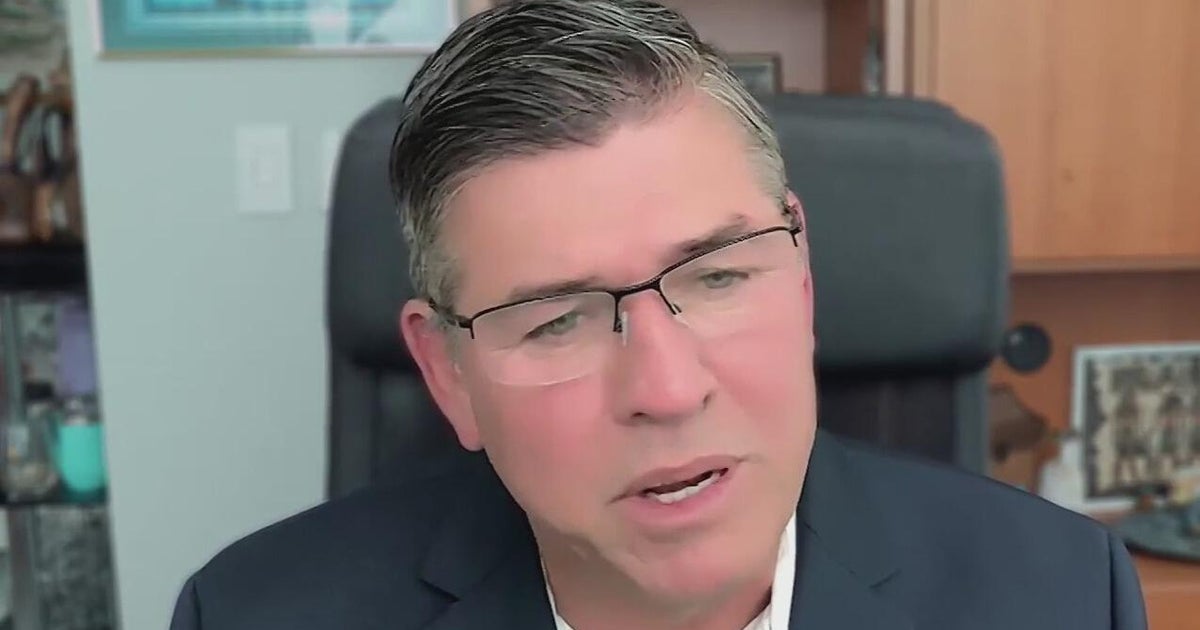
But if PACT officials had hoped the county would move quickly on opening the center, they received their answer on Wednesday, when a small cadre of commissioners voted to delay the project further. On Wednesday, at the very end of the county commission’s Intergovernmental and Economic Impact Committee – Commissioner Danielle Cohen Higgins, brought up the mental health center and what she derisively called “a very coordinated campaign with the media” to push for the building to be opened.
Cohen Higgins made a motion requiring the mayor to come back with a plan explaining how the county was going to pay for the center for the next ten years. And she called on the mayor to “specifically identify what you are not going to fund in order to fund this building.”
Commissioners Vicki Lopez and Natalie Orbis quickly voted in favor of the motion – delaying any vote on opening the center for at least another two months.