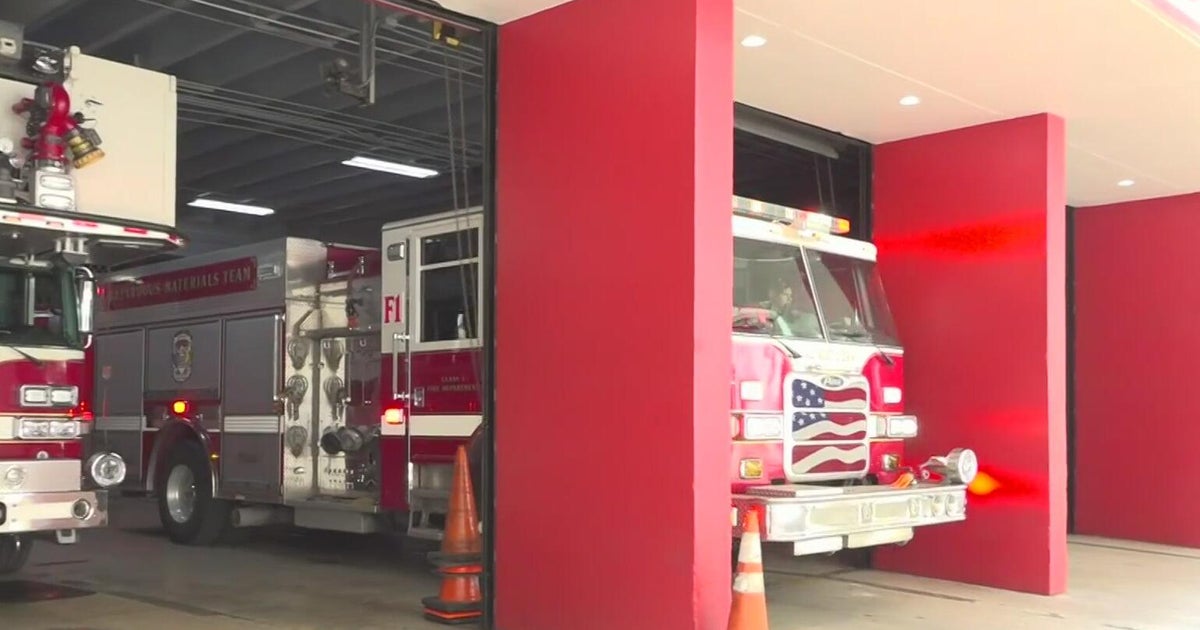
The City of Miami Fire Rescue receives more than 200,000 calls for help each year. CBS News Miami got an inside look at the room where minutes matter.
If you call 911 within the City of Miami limits, your call will automatically route to a room in police headquarters downtown.
“They’ll determine if it’s a medical or fire emergency. It gets transferred over, and one of our operators will answer the call,” Emergency Dispatcher Rene Gomez said. “They drop automatically into their ear, in a rotation, so there’s always somebody available”.
If the caller doesn’t know where they are located, the City of Miami Fire Rescue can use a rapid SOS system. “It will tell us exactly, like in the radius, where the call is coming from,” Gomez said. “Literally to the point where it pings and you can see the person moving”.
The call is ranked based on its serious nature, from alpha up to echo. Alpha could be a sprained ankle, while echo is someone in cardiac arrest or in critical need. At the same time, the dispatcher works on alerting one of the 17 closest fire stations.
“Right now, we’re getting a call in for Key Biscayne, which just came in,” Gomez continued, “so our dispatcher is going to accept that call, they’re going to recommend which fire truck to send, which is Key Biscayne Rescue 1, so now that has initiated the bells at the station”.
It is only a matter of minutes between the call being answered and Fire Rescue arriving on scene. Emergency operators train for 18 months before they can answer a call on their own.
“We can give you instructions to help stop bleeding, we can give you CPR, and we can do chest compressions,” Emergency Dispatch Supervisor Desiree Farrell said.
There is a wall inside the operating center listing the names of all the babies they’ve helped deliver before Fire Rescue arrived.
“Everybody in here is a hero,” Gomez said. “Everybody in here, every single day, saves lives. We’re just never seen or heard usually”.
This week is National Public Safety Telecommunicators Week, honoring the call takers who handle roughly 550 calls a day.
“This week makes me feel great because nobody ever hears about the 911 call takers,” Farrell said. “And no one ever sees us, you just hear our voices”.
What they all want you to know is to remain calm and understand that all of the questions the dispatchers are asking you are to make sure you get the right resources headed your way.