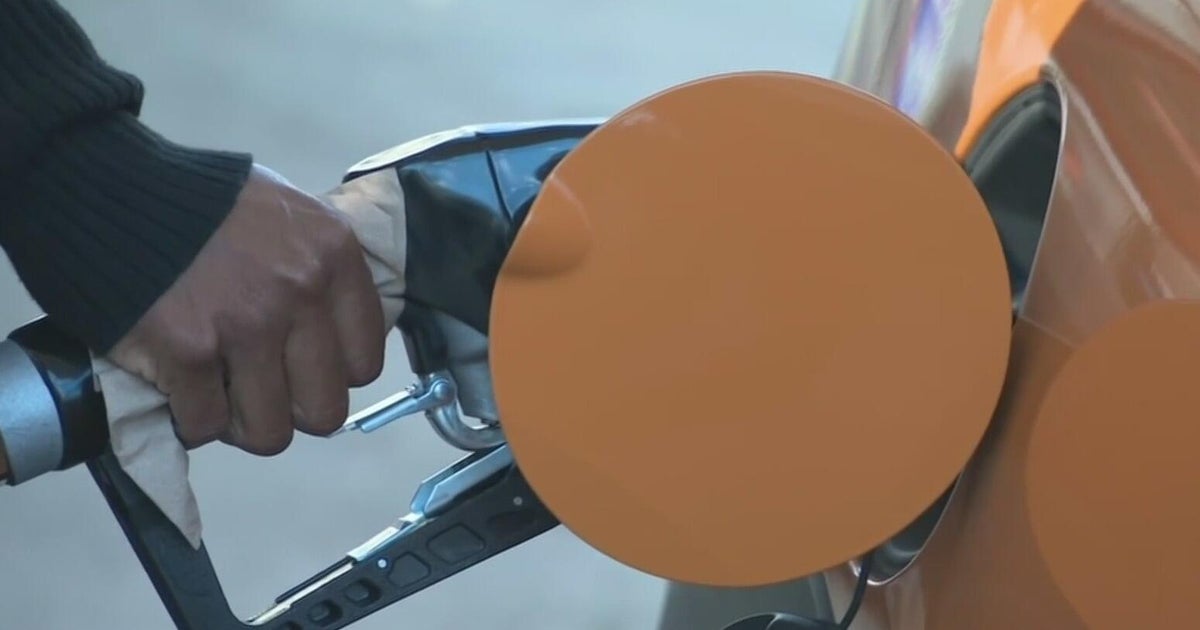
Rising oil prices could soon impact more than just what drivers pay at the pump, with experts warning the effects may ripple into everyday expenses.
According to a Nova Southeastern University economics professor, necessities such as groceries could become more expensive as fuel costs used to ship goods continue to rise. CBS News Miami spoke with a finance and economics professor who said when companies pay more for fuel, those costs are often passed on to consumers.
That trickle-down effect is already being felt by some small business owners, including Fort Lauderdale hairstylist Dana D’Oench.
“It’s just been like one battle after another,” D’Oench said. She noted that inflation has driven up the price of the products she uses on clients, and after a few months of stability, she is seeing costs rise again. “Gloves went up, aluminum foils went up. Everything’s gone up through the roof,” she said. “So it’s so hard for us not to pass on and up your prices because it’s hard enough for everyone to get their hair done.”
As prices climb, D’Oench said clients are beginning to deprioritize hair appointments. “It’s been kind of slower already,” she said. “And now, when you add that on top of it, it’s just been a snowball effect of slowing down our industry a lot.”
Dr. Albert Williams, a finance and economics professor at Nova Southeastern University, said rising fuel prices affect nearly every part of the economy, including shipping, manufacturing, and delivery.
“Fuel prices impact everything,” Williams said. He warned that if prices are not controlled, the increases will continue moving through the supply chain, leading to higher costs for a wide range of goods.
Williams also predicted that consumers will adjust their spending habits as costs rise. “As prices go up, people will start to cut back on these goods that we call discretionary,” he said. “So maybe you may not go get your hair done as often, or you may not go to restaurants as often. So there are some adjustments that have to be made.” He added that farmers may begin adding fuel surcharges to crops, which could further increase food prices.
Meanwhile, D’Oench said she plans to hold off on raising prices for as long as possible despite the rising costs.