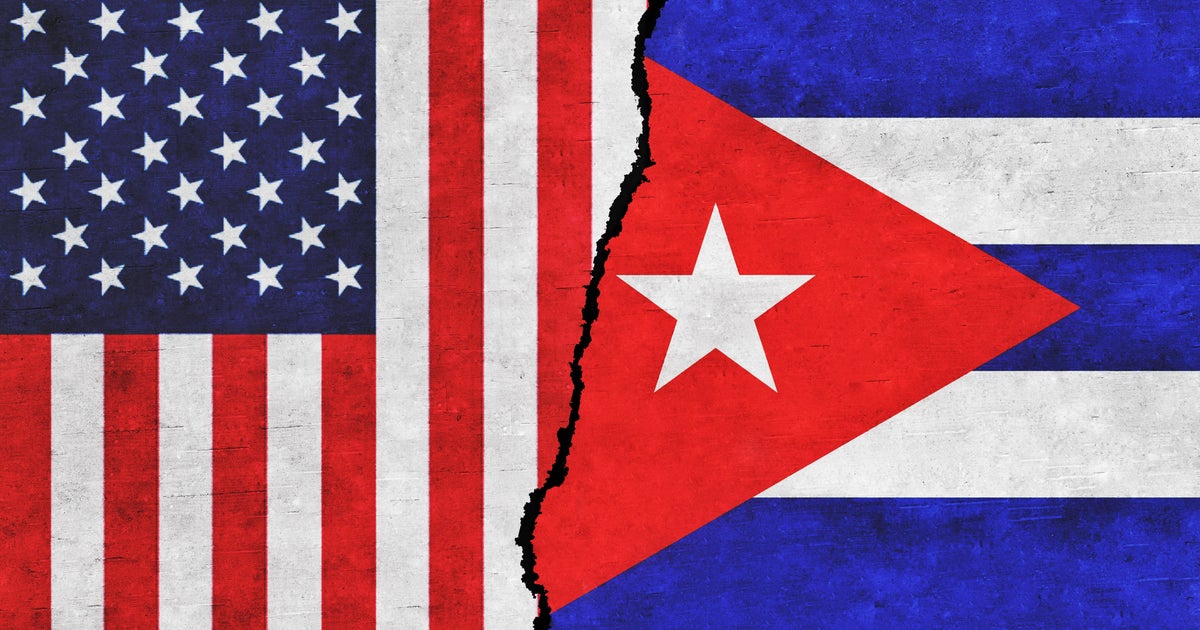
U.S. Secretary of State Marco Rubio is escalating pressure on Cuba, saying the island’s latest economic opening is not enough and calling for major changes to its political system.
Speaking Tuesday from the Oval Office, Rubio criticized recent announcements by the Cuban government to open parts of its economy to investors, saying they fall short.
“What they announced yesterday is not dramatic enough,” Rubio said, adding that deeper changes are required.
He described Cuba’s system as fundamentally broken, pointing to the island’s worsening economic crisis and recent nationwide blackout.
“The bottom line is their economy doesn’t work — it’s a nonfunctional economy,” Rubio said. “The people in charge, they don’t know how to fix it, so they have to get new people in charge.”
His comments come as Cuba faces one of its worst crises in decades. A massive blackout left millions without electricity, exposing the fragility of the country’s aging infrastructure and deepening shortages of fuel, food, and basic services.
At the same time, the Trump administration is increasing its demands on Havana. According to reporting by The New York Times, U.S. negotiators are pushing for Cuban leader Miguel Díaz-Canel to step aside as part of ongoing talks between the two countries.
However, that same report indicates the United States is not currently pushing for action against members of the Castro family, who are still widely seen as the island’s ultimate power brokers.
That possibility — a leadership change without dismantling the broader system — is drawing comparisons to other geopolitical transitions.
An international relations expert says this could signify the beginning of some kind of negotiation with Cuba, but not a collapse of the regime
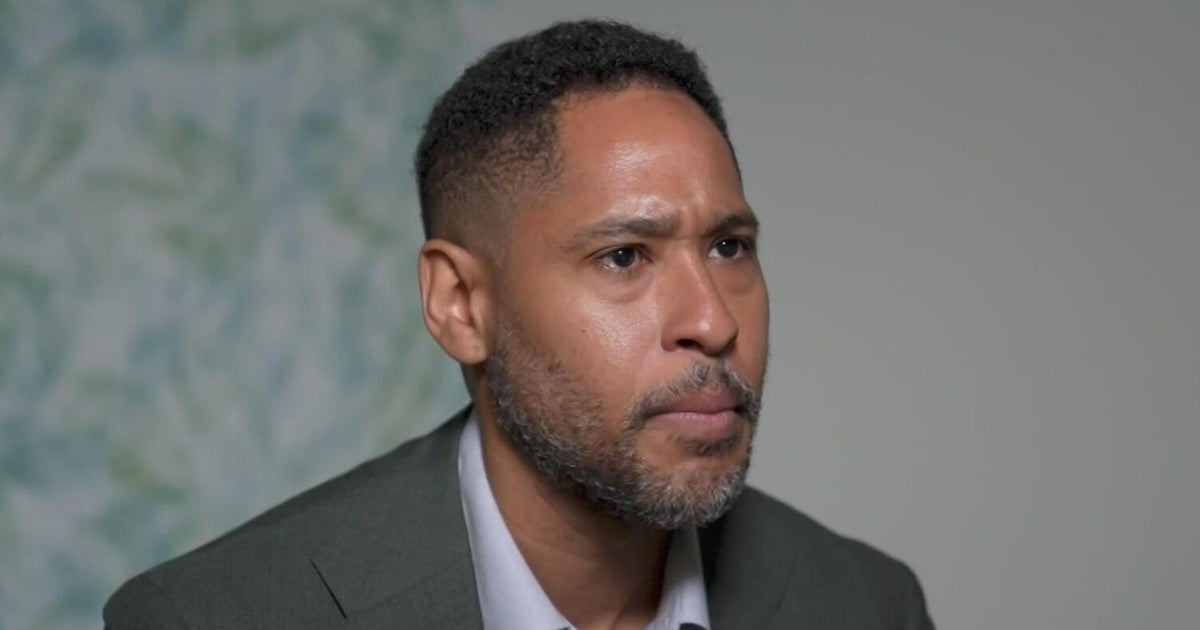
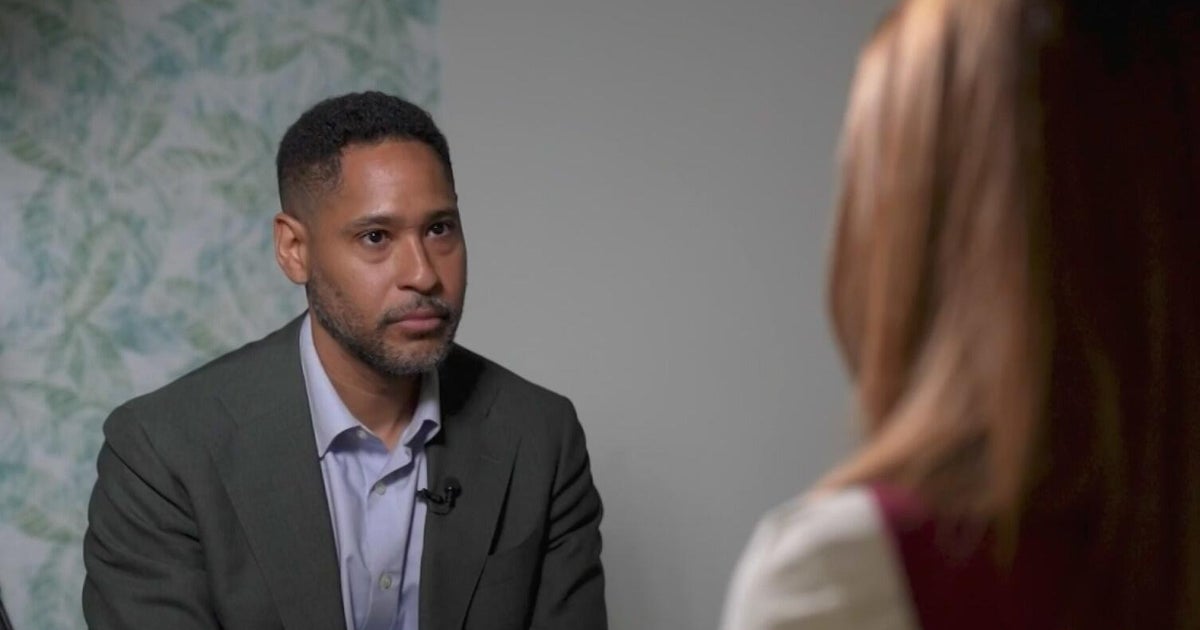
Richard Tapia, a political science and international relations professor at Miami Dade College, says this could signal the beginning of a broader negotiation process.
“The only thing we can say with certainty is this is the beginning of conversations that could lead to a possible outcome that the administration wants,” Tapia said.
Tapia added that the U.S. may be trying to avoid a sudden collapse of the Cuban government.
“What the U.S. does not want is a complete and total power vacuum in which chaos ensues,” he said.
When asked whether that scenario could resemble Venezuela — where leadership changes did not immediately dismantle the existing power structure — Tapia said the comparison is valid.
“Yes, very similar… where you have a symbolic change of government, but the regime remains,” he said.
He also noted that the Cuban military — which controls large parts of the economy — remains closely tied to the Castro family, making any rapid transition difficult.
“If you remove them overnight, that means the U.S. is going to have to play a very strong role,” Tapia said, adding that such involvement could require significant intervention — something he believes Washington is unlikely to pursue.
Meanwhile, President Donald Trump has signaled that action on Cuba could come soon, as negotiations continue behind the scenes.
For many Cuban Americans in South Florida, the developments raise a critical question: whether any deal will bring real political change — or simply reshape the leadership while leaving the system intact.