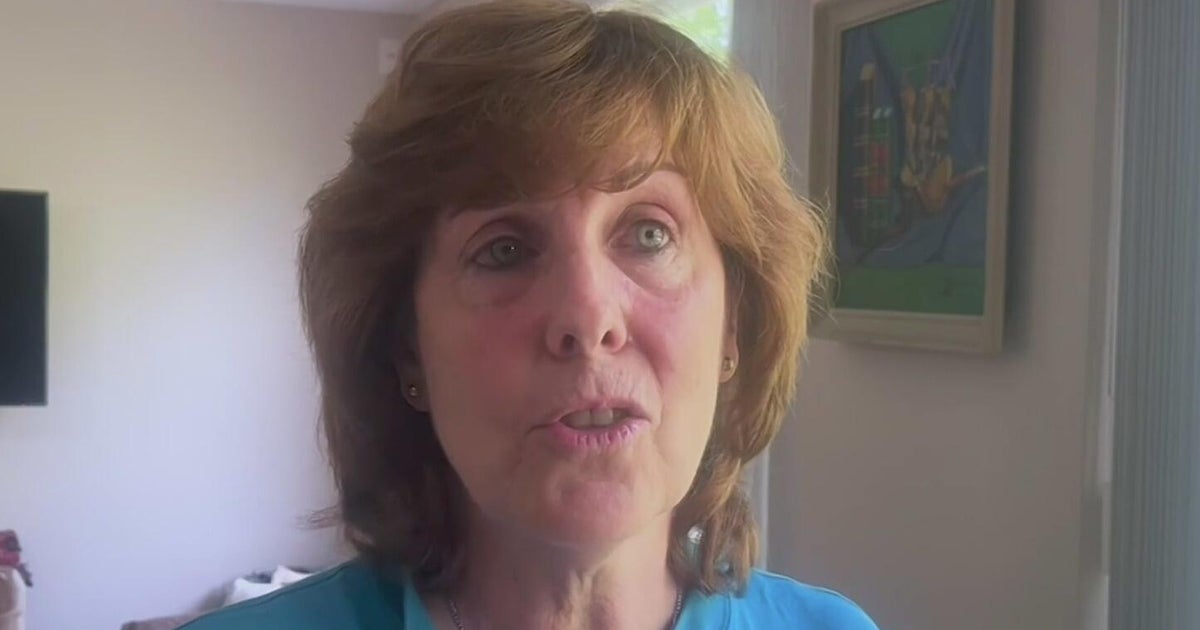
Resilience is a theme echoed across the Caribbean and few communities know it like Haitians. One of those people, the mother of CBS Miami’s Tania Francois who immigrated to Miami back in October of 1971.
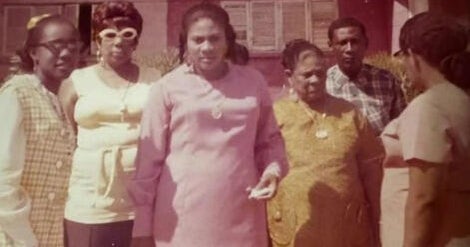
Louisa’s journey to the United States began with a job offer. “My mother [Tania’s Grandmother] had a job offer because she was a big chef at a big hotel, famous hotel,” Louisa said. “At the last minute, she asked, could she come with her children? And they told her yes, but it must be immediately and within two weeks.”
That decision brought Louisa to South Florida as a teenager. She was quickly enrolled at Miami Jackson Senior High School, where she says the Haitian community was still quite small.
“The first year it was less than 10 Haitians speaking Haitian Creole,” she said. “Less than 10 that I knew of, and it was like between three families.”
Not long after, Louisa watched South Florida’s Haitian population grow rapidly through the early 1970s, during the Haitian refugee boat crisis. She later became a U.S. citizen, saying the process felt far less complicated than what many Haitians face today.
“There was no such thing as TPS,” Louisa said, referring to Temporary Protected Status. “It was a totally different ball game.”
Decades later, Whenda Tima arrived in a different South Florida, but says the experience still came with harsh realities.
“I came in ’94, the era when it wasn’t cool to be Haitian,” said Tima, a social media producer. “I remember my introduction to South Florida was being on the school bus and watching students get beat up, jumped, and mocked specifically because they were Haitian. And I hadn’t even told people yet that I was Haitian.”
Today, Tima runs popular Haitian-focused social media platforms, including L’Union Suite and The Haitian American, and says she uses that space to push back against one-dimensional narratives.
“We’re proud of the fabric of who we are as Haitians,” Tima said. “We’re proud of our history, and we want people to know us deeper than our struggles or the negative stories you hear.”
Both women say they love America and being American. Still, each described a longing to return home to Haiti someday, even if only for visits.
“No matter what our hyphens are or whatever, we’re Haitian first,” Tima said. “And we love our country.”
Louisa says, “U.S. citizen here, I would like to be free and do whatever I want to do whenever I want to,” she said, laughing. “What’s stopping you? You.”
The future of some 300,000 Haitian families nationwide still face ongoing legal uncertainty.
Efforts for Haitians to become U.S. citizens have been paused under the Trump administration, and the fate of Temporary Protected Status for Haitians continues to be fought in the courts.