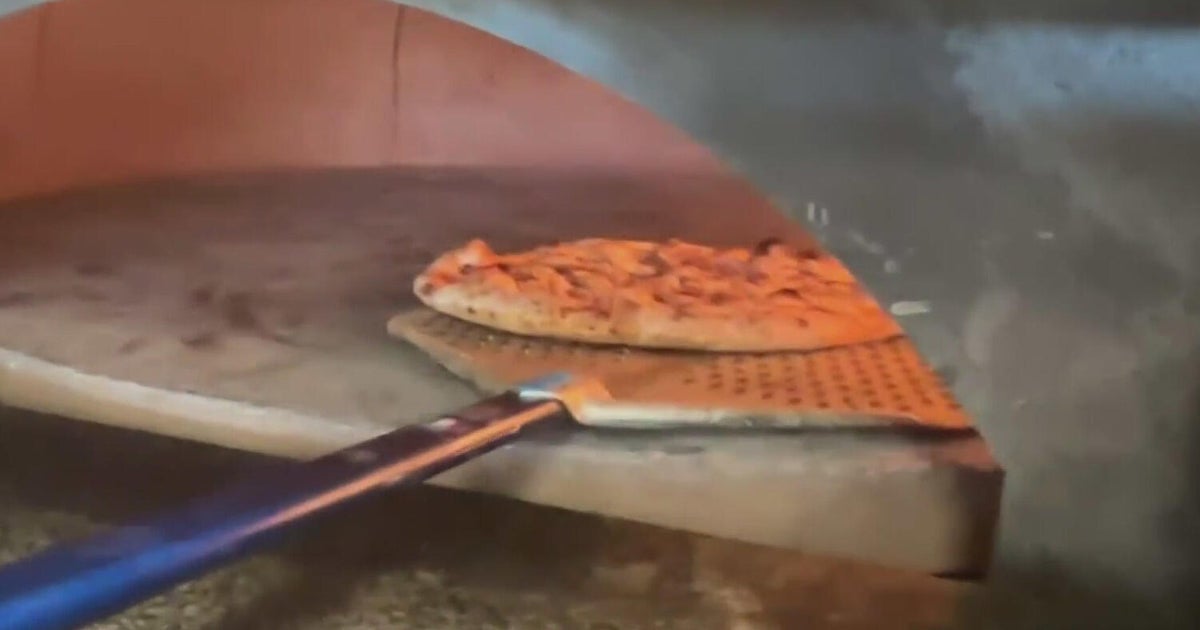
A Florida pizza restaurant that went viral for selling iguana pizza during the Sunshine State’s recent cold snap has been facing some backlash and said it would scale back production.
Bucks Coal Fired Pizza in Palm Beach County expanded their menu when the tumbling temperatures sent invasive iguanas falling from trees.
Local trapper Ryan Izquierdo gathered up some of the cold-stunned iguanas and turned them into what he called the “Florida Man Pizza,” topped with freshly harvested iguana meat.
“My buddy hit me up, and he was like, ‘Hey, how do you feel about me bringing in some iguana meat and making iguana pizza?'” Bucks Coal Fired Pizza owner Frankie Cecere said. “And I said, ‘Absolutely.'”
Cecere said the restaurant received more than 1,500 calls about the viral iguana pizza.
“It’s highly sought after, apparently,” Cecere said.
However, the viral iguana pizza led to some complaints, and even the health department gave the restaurant a visit.
So, despite not selling or killing live iguanas, they decided to stop selling the pizza for now.
The restaurant is now working through some regulatory questions about serving up the iguana meat.
South Florida tourism feels the chill
While the iguanas provided unexpected entertainment (and food) during the cold snap, tourists who were hoping to escape frigid northern temperatures didn’t receive the warm beach days they were looking forward to.
Tourists and locals were forced to stay out of the frigid Atlantic Ocean, but that was good news for local bars and restaurants.
And visitors said it was unusual to see so many South Floridians bundled up when the temperatures dropped.
“The puffy coat, the gloves, the iguana falling from trees, it’s crazy,” Jody Dougherty said last month.
Crops in South Florida also took a hit
While beachgoers can wait out the cold, South Florida farmers said the impact was far more serious.
Kern Carpenter Farms in Homestead said he lost about 20% of the tomato crop during the Arctic blast.
“The wind died and it got cold really fast,” farmer Kern Carpenter said last month. “We did the best we could, but they still got burnt.”
Farmers said losses to tomatoes, green beans and other local crops could lead to higher grocery store prices.