Military activity involving Iran could soon hit drivers in their wallets.
AAA warns that the escalating conflict in the region could cause a 15% to 20% increase in gas prices. The warning comes as prices are already climbing in Florida due to increased spring break travel and higher seasonal demand.
Elijah McKenzie says he puts plenty of miles on his car.
“Between 50 to 70 miles,” McKenzie said.
CBS News Miami asked whether that was per week or per day.
“A day,” McKenzie responded.
That kind of driving means frequent trips to the gas station — and potentially more sticker shock.
A CBS News analysis found that every $10 increase in crude oil prices typically translates to about a 25-cent increase per gallon at the pump.
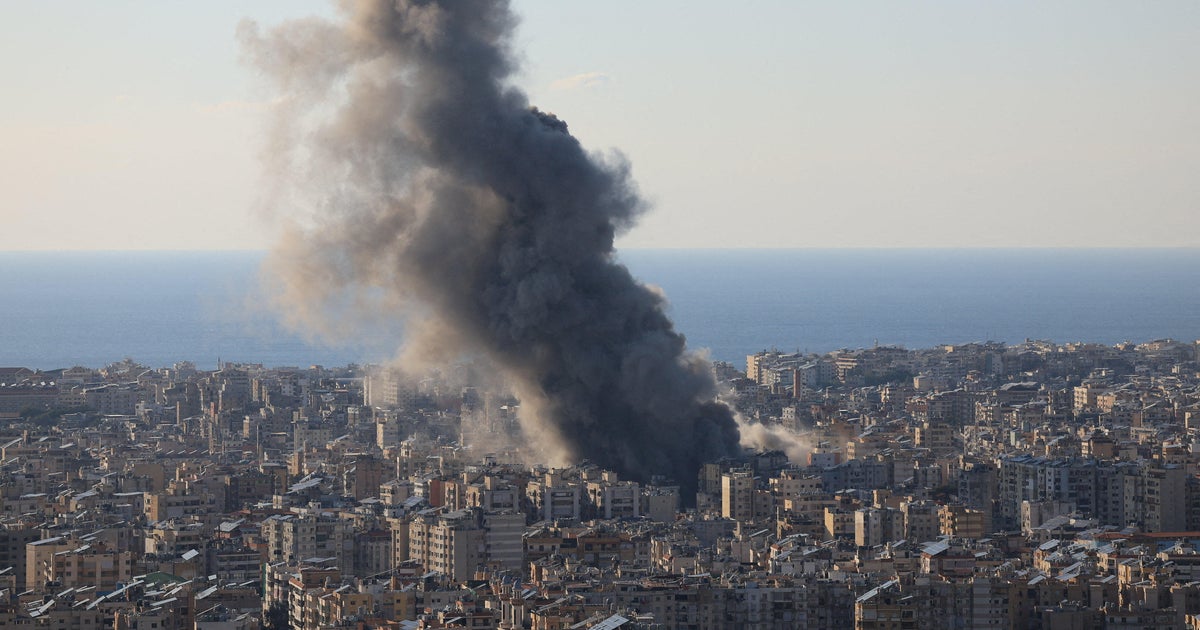
The recent U.S. and Israeli strikes on Iran have rattled oil markets. Iran holds the third-largest proven oil reserves in the world, making any disruption there significant to global supply.
McKenzie says even small price increases can quickly add up.
“I’ll be basically spending a lot more money on gas instead of more important things,” he said.
Mark Jenkins with AAA says one of the biggest concerns is the Strait of Hormuz — a narrow waterway in the Persian Gulf responsible for transporting roughly 20% of the world’s oil supply.
CBS News reports that some major shipping companies are diverting vessels away from the strait amid security concerns.
Jenkins says oil markets are currently “headline-driven.”
“How long this conflict will last, whether additional major strikes are planned, and any impact on the Strait of Hormuz — all of that can affect oil prices,” Jenkins said.
Higher oil prices don’t just affect drivers. Jenkins notes that transportation costs for goods could also rise because trucks and cargo ships rely heavily on fuel. Those higher shipping costs may ultimately be passed on to consumers.
“They have to get there somehow, and if it costs more to get them there, then it could cost more for you to buy them as well,” Jenkins said.
Jenkins says it is still early and that markets will need several days to fully react. President Trump has said strikes in Iran could continue for the next four to five weeks.