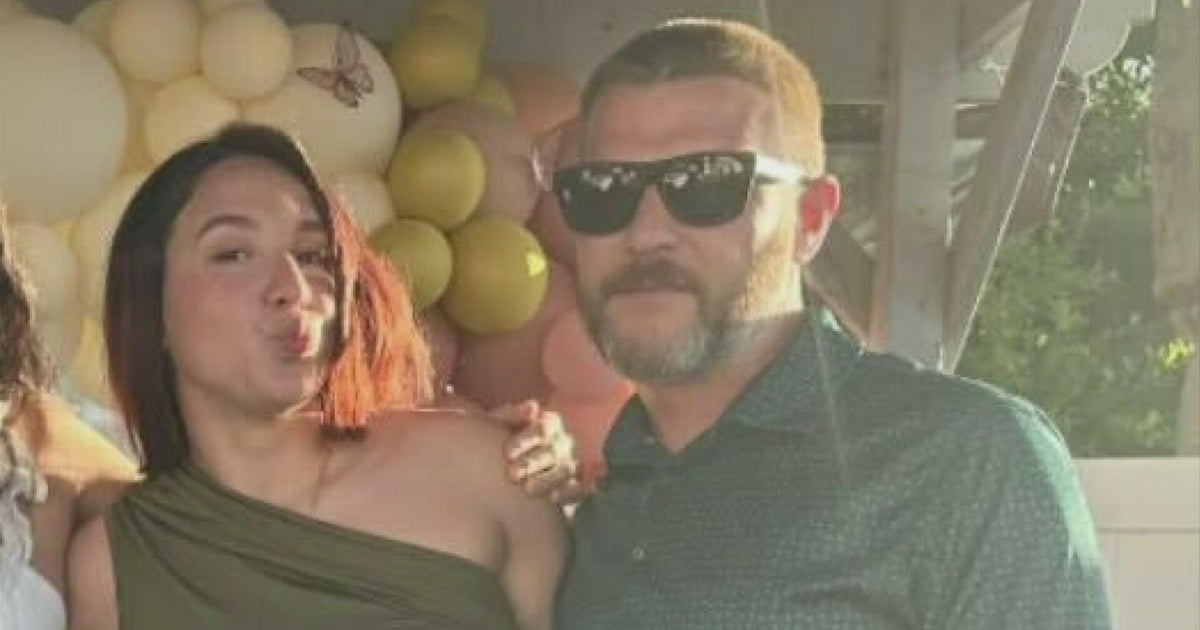
HOLLYWOOD – A South Florida couple says they thought they were following the rules, but now find themselves caught in a complicated immigration battle that has kept them separated for months.
Gabriela Sousa entered the United States legally in April 2023 under a federal humanitarian parole program for Venezuelans. The program allowed her to live and work in the U.S. for two years, with her authorization set to expire on April 19, 2025.
Just two days before that deadline, Sousa married her husband, Brandon Garrison. The couple believed the marriage would allow them to begin the process of adjusting her immigration status.
“We were under the impression that once you get married, that starts the process and then you’re no longer illegal,” Garrison said.
However, their situation took a turn months later.
In October 2025, the couple was arrested by Hollywood Police following a domestic dispute. According to Garrison, the incident stemmed from a misunderstanding after a neighbor called authorities. Both he and Sousa were taken into custody due to conflicting accounts.
The case was later closed, with no charges filed.
While Garrison bonded out quickly, he says, Sousa remained in custody at the Broward County Jail for about a month before being transferred to Immigration and Customs Enforcement. She has since been moved between multiple facilities and is now being held at a prison in Jacksonville.
For the past five months, the couple has only been able to communicate through jail calls.
Garrison says they have a pending I-130 petition, which has been under review since November. However, their ability to move forward has become increasingly uncertain.
Immigration attorney Morella Aguado says timing played a critical role in Sousa’s case.
“They should have applied before her parole expired,” Aguado explained, noting that current immigration policies make it difficult for judges to delay proceedings while petitions like the I-130 are processed, a process that can take anywhere from 18 to 36 months.
Aguado says one possible path forward is filing a habeas corpus petition, which challenges the legality of Sousa’s detention and could potentially lead to her release.
“If she doesn’t do the habeas, then most likely what’s going to happen is that she’s going to have to take voluntary departure,” Aguado said. “She would have to leave the country and wait abroad for her immigration process to continue.”
That’s a scenario the couple is hoping to avoid.
“I’ve never really thought about having to move to another country, ” Garrison said.
Still, he says he’s prepared to do whatever it takes to stay with his wife, even if that means leaving the United States.
Garrison traveled to Jacksonville to protest hoping to bring attention to her case and push for her release.
CBS News Miami has reached out to the Department of Homeland Security and ICE for comment on why Sousa remains in custody. As of now, officials are still reviewing the request.