Cuban-American activists in South Florida who have spent years denouncing the communist government in Havana are now pressing the Trump administration to include one demand in any talks with Cuba: the right of exiles to return to the island.
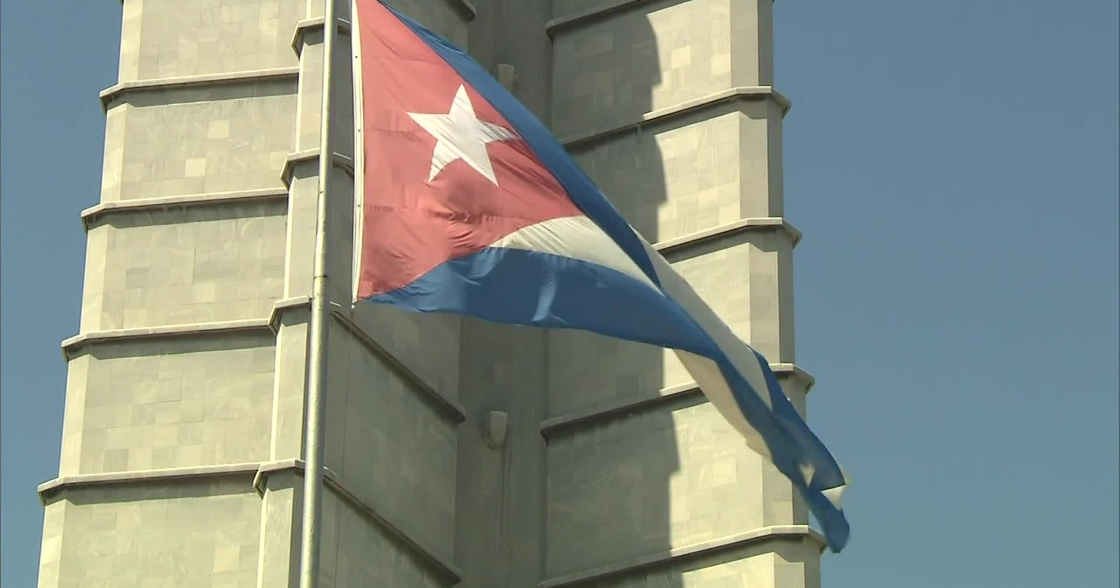
The call comes as Cuba signals a willingness to expand business ties with U.S. companies and with Cubans living abroad, a move that has sparked skepticism among longtime anti-regime activists in South Florida. Reuters reported Monday that Cuba said its “doors are open” to nationals living abroad, including Cuban Americans, to invest in and own businesses on the island. That announcement followed recent confirmation from Cuban President Miguel Díaz-Canel that Havana is in talks with the Trump administration.
At a demonstration in South Florida, activists held signs reading “Freedom” and stood in front of a banner declaring that every person has the right to return to their country. Among them was Democracy Movement leader Ramón Saúl Sánchez, who urged President Donald Trump and Secretary of State Marco Rubio to prioritize the rights of Cuban exiles who, he says, have long been barred from returning to Cuba because of their opposition to the regime.
“Remove all those obstacles of our right to return so we can immediately start helping our people,” Sánchez said.
According to Sánchez, many Cuban Americans — especially those who have publicly criticized the regime — have been prevented from traveling back to Cuba, even in humanitarian situations. He said any U.S.-Cuba negotiations should address that issue directly.
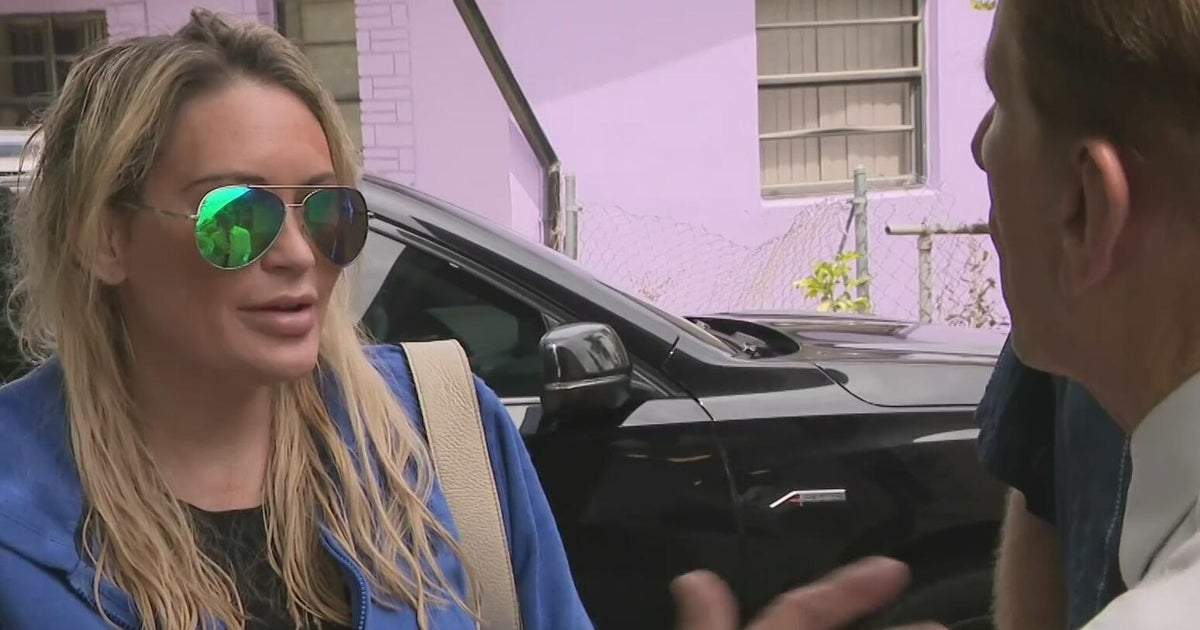
Another activist, Salomé García, said the Cuban state has for decades blocked many Cubans from entering the country, even as officials now court investment from abroad.
The activists’ message was also aimed squarely at Rubio, the son of Cuban immigrants and one of the administration’s most prominent voices on Cuba policy.
“Mr. Trump and Mr. Marco Rubio, detach yourself from the regime, attach yourself to the Cuban people,” Sánchez said.
The demonstration unfolded as the political climate surrounding Cuba remains tense. Díaz-Canel acknowledged last week that his government is in talks with Washington, a rare public admission that came as Cuba faces deepening economic turmoil and energy shortages. Associated Press reported that the island has been grappling with blackouts, fuel shortages and growing unrest, all against the backdrop of those talks.
President Trump also said over the weekend that Cuba “wants to make a deal,” while hinting that changes could be coming soon. Reuters reported that Trump said discussions with Cuba are ongoing and that a deal might be reached, though major differences remain between the two governments.
But Sánchez warned against any agreement that, in his view, could strengthen the Cuban government economically without first securing political or humanitarian concessions.
“We are asking the administration not to engage to stabilize economically the regime by having businesspeople from here do business with the regime in Cuba,” he said.
Former Florida lawmaker José Félix Díaz, who also lives in South Florida, said he believes many Cuban Americans will be cautious about investing in Cuba under the current system, even with the island now signaling greater openness to outside business.
“I think a lot of Cuban Americans are going to wait and see what happens over the course of the next few months,” Díaz said.
For many gathered at Monday’s event, the message was clear: before any business deals move forward, they want Washington to press Havana on the rights of Cuban exiles — including the ability to return home.