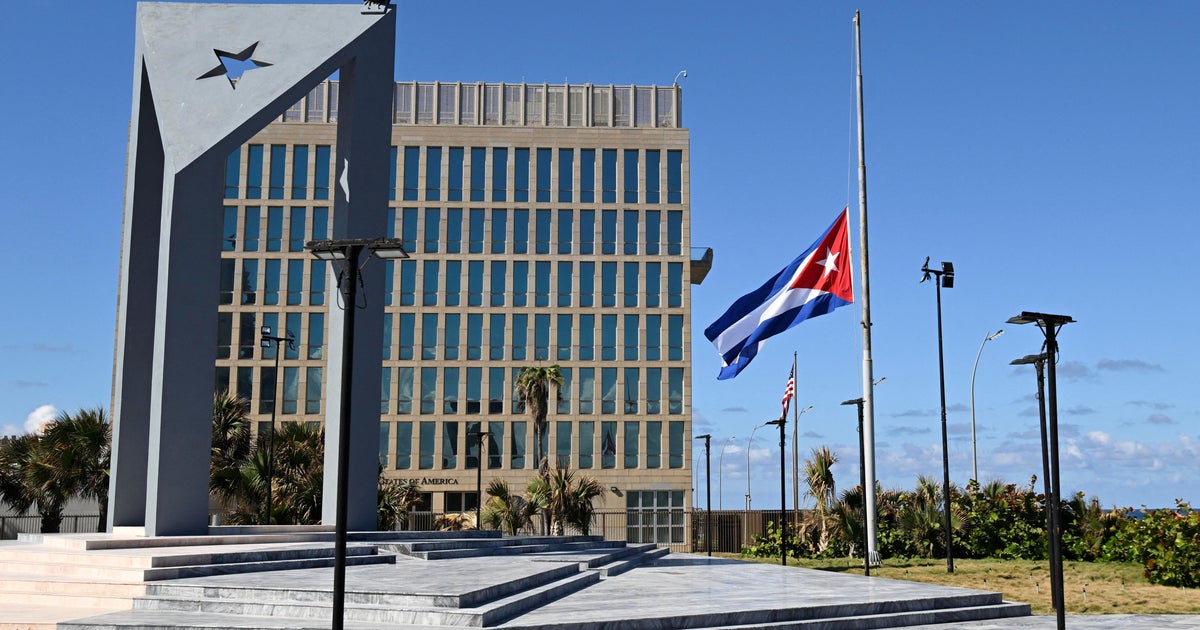
Cuba is signaling a potential shift in its decades-long dispute with the United States, with a senior government official suggesting Havana may be willing to compensate Americans and U.S. companies whose properties were seized following the 1959 revolution.
The proposal, however, is already drawing skepticism in South Florida, where many Cuban Americans say the offer raises more questions than answers.
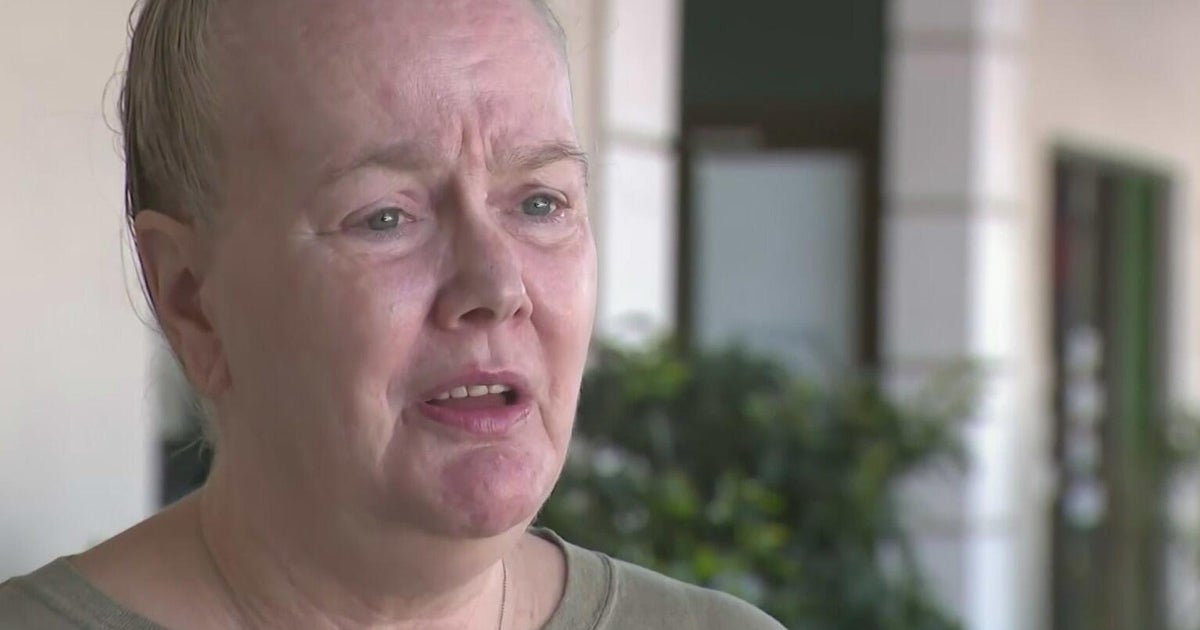
Miami-based attorney Nick Gutierrez, who represents families and companies with certified claims, said nearly 6,000 U.S. entities could stand to benefit if the proposal becomes formalized.
“I represent about 1,000 families and companies that lost their properties in Cuba,” Gutierrez said.
The comments follow remarks from Cuban Deputy Foreign Minister Carlos Fernández de Cossío, who indicated the government could offer a lump-sum compensation package to American claimants.
But Gutierrez questioned both the feasibility and the intent behind the proposal.
“If it’s true… they’re hoping to get American money with which to compensate the 5,913 American companies that were initially confiscated,” he said.
The claims largely involve U.S. corporations operating in Cuba before the revolution, along with individuals who were U.S. citizens at the time their property was seized.
However, the proposal appears to exclude a significant group: Cuban nationals whose property was confiscated before they later became U.S. citizens — a point that has fueled frustration in the Cuban American community.
“That’s ridiculous,” said Orlando Gutiérrez, president of the Assembly of Cuban Resistance.
He argued the proposal is part of a broader negotiating strategy by Havana, potentially tied to calls for lifting the U.S. embargo.
“They say, ‘We’ll pay for the American companies whose property we stole with a lump sum payment, but you have to lift the embargo first,'” he said. “And then from that money… they subtract whatever you owe us.”
Gutierrez estimates the total value of certified claims today could range between $9 billion and $10 billion.
Even so, many claimants — including Cuban Americans — remain uncertain whether any compensation would actually be delivered.
“I think U.S. pressure is working,” Gutierrez said, pointing to recent policy pressure from Washington.
Still, he urged caution.
“The U.S. shouldn’t fall into the trap of dealing with the same people that have caused all the problems with property confiscations and systematic human rights violations throughout the decades,” he said.
So far, there has been no formal response from the Trump administration, and Secretary of State Marco Rubio — a key voice on U.S.-Cuba policy — has not publicly addressed the proposal.
For many in South Florida, the possibility of compensation remains uncertain — with major questions lingering over eligibility, funding, and whether any agreement would require significant political concessions.