A proposal asking voters in November to eliminate most homestead property taxes cleared the House Thursday, while the Senate has yet to advance a similar measure.
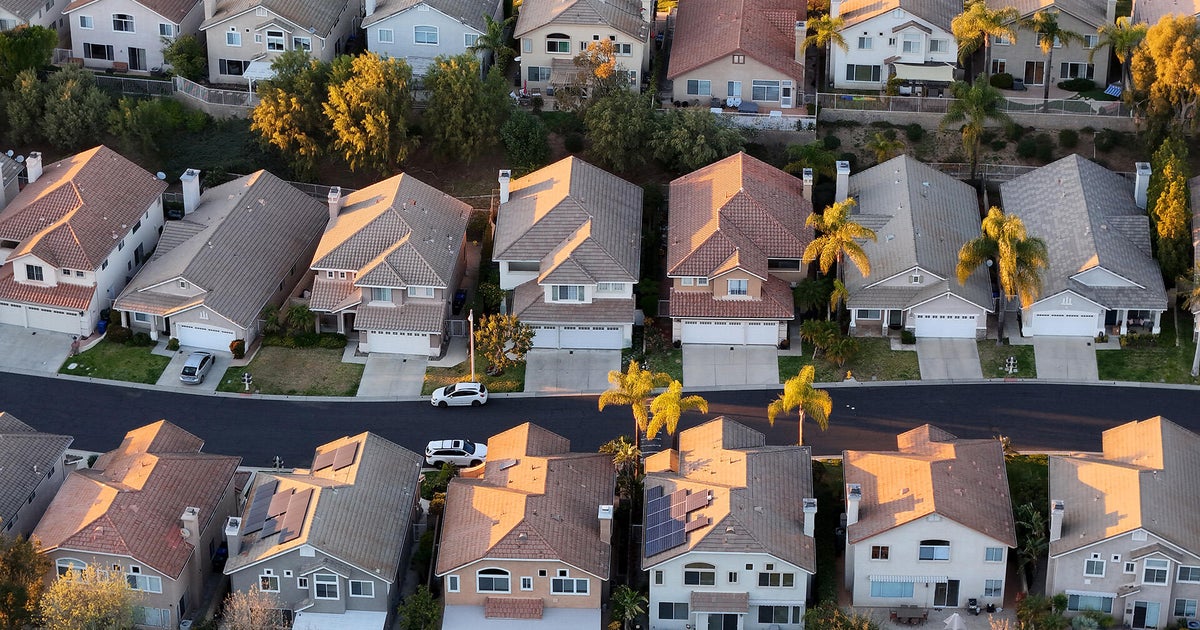
The Republican-controlled House voted 80-30 along party lines on a proposal (HJR 203) to put a measure on the 2026 general election ballot that would eliminate all non-school taxes for properties with a homestead exemption.
If 60 percent of voters approve the measure, it would take effect in the 2027 tax year.
But it’s far from certain the proposal – at least this version – will make it to the ballot. The Senate hasn’t advanced any similar property tax cut plan during the regular session, which is slated to end March 13.
“Although this HJR stands as the House’s contribution to the property tax conversation, we continue to be open to any of the Senate’s ideas — provided those ideas ever materialize as actions,” House Speaker Daniel Perez, R-Miami, said at the opening of the floor session.
“Although this (proposed constitutional amendment) stands as the House’s contribution to the property tax conversation, we continue to be open to any of the Senate’s ideas — provided those ideas ever materialize as actions,” House Speaker Daniel Perez, R-Miami, said at the opening of the floor session.
On Wednesday, Senate Appropriations Committee Chairman Ed Hooper wouldn’t put a date on the Senate releasing its proposal with little more than three weeks remaining in the regular session.
Hooper, R-Trinity, said the Senate cared about “doing what’s right,” which he said is assisting small, fiscally constrained counties that would be hardest hit by reducing the revenue from homesteaded properties.
“So, we’re very careful about what we do,” Hooper said. “Sixty-seven totally different counties are impacted in a totally different way. We’re considering that.”
Hooper, however, couldn’t put a date on when the chamber’s proposal would be ready, saying it would be “before this session and or special session is over or extended session.”
While cities and counties have raised concerns about cuts to services, Palm Bay Republican Rep. Monique Miller called her proposal a “reasonably measured approach” that will result in “a culture of thrift throughout the state.”
The proposal is projected to cost cities, counties, water management districts and other special taxing districts $14.8 billion a year, according to state economists.
House Democrats warned the cut will push local governments to increase fees and potentially result in higher sales taxes. They offered amendments to study the effects and to have the state cover all public safety costs affected by potential cuts resulting from the property tax reductions, but Republicans rejected the moves.
The proposal seeks to prevent local funding cuts for law enforcement, firefighters and other first responders, but Democrats expressed concern the proposal would deprive growing cities and counties of revenue needed to expand police and emergency services.
“This bill does not guarantee that funds will keep pace with future needs,” said Rep. Robin Bartleman, a Weston Democrat. “What you’re doing is creating a floor and ceiling so that law enforcement, fire and corrections will never see a raise, never get new equipment, because there is no money to go around,” Bartleman added.
Rep. Anna Eskamani, D-Orlando, said the proposal will shift property tax burdens to businesses and renters.
“I’m a firm believer in a balanced tax structure that is less regressive, that delivers need based relief,” Eskamani said. “The reality is that those who make the most money will get the biggest tax break. Those who make less will see less.”
Palm City Republican Rep. Toby Overdorf, chairman of the House Select Committee on Property Taxes, said the issue has been repeatedly studied and the proposal is about giving voters a choice to “lower overall tax rates and bring money back to constituents.”
“We are trusting in the voters of Florida by putting this forward,” Overdorf said.
Prior to the House vote, Gov. Ron DeSantis posted on social media that he’s been working with the Senate on a property tax proposal.
“Given that it can’t be voted on by the people before November, it’s better to do it right than do it quick!” DeSantis posted on X.
DeSantis has led the call for property tax cuts for more than a year, insisting on a constitutional amendment to eliminate homesteaded property taxes.
Perez set up a select committee to look into property taxes at the end of the 2025 session, which produced eight different proposals last fall. Three measures reached the House floor, with Miller’s proposal the first to go before the full chamber.
The other two increase the homestead property-tax exemption for residents who have property insurance (HJR 209) and limit increases in taxable values for homesteaded property under the Save Our Homes cap to 3 percent over three years (HJR 213). The Save Our Homes limit is currently 3 percent a year.
In his remarks to open the session Thursday, Perez disputed DeSantis’ characterization of the House vote as “quick.”
“Our actions today are not sudden, nor do they meet any reasonable definition of quick,” Perez said.