The relationship between Cuba and the United States is approaching a pivotal crossroads.
Cuba’s leadership has signaled a rare willingness to engage in dialogue with the U.S., even as it demonstrates readiness to defend itself amid escalating diplomatic tensions.
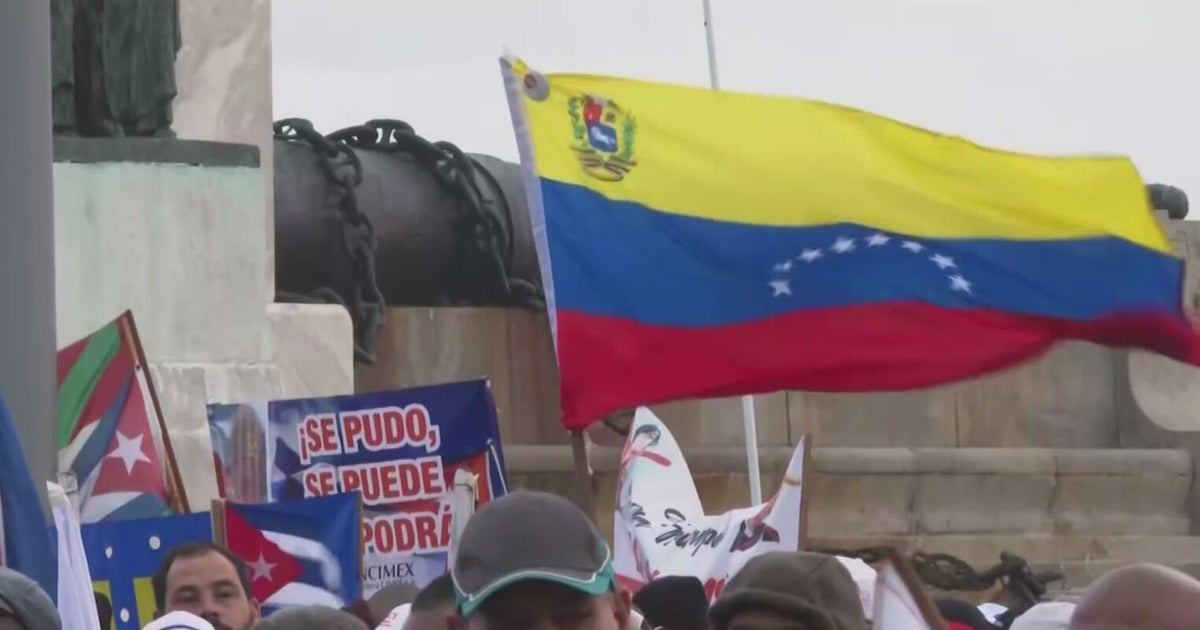
Speaking from Little Havana, Cuban Americans expressed a desire for a free and prosperous homeland. Local experts believe that a breakthrough in U.S.-Cuba relations could be on the horizon.
Cuba’s offer and warning
In a notable statement, Cuban President Miguel Diaz-Canel announced his openness to speak with President Trump “without pressure” regarding Cuba’s future. However, he made it clear that the talks would have to respect Cuba’s sovereignty and independence. At the same time, Diaz-Canel warned, “We’re not in a state of war – but we are getting ready if need be, at any moment.”
U.S. response: Diplomacy and pressure
The White House responded with skepticism and criticism. Press Secretary Karoline Levitt described Cuba as “a country about to collapse” and cautioned Cuban leaders to be prudent in their statements. She reiterated that President Trump is open to diplomacy but underscored the fragility of the Cuban government.
Recent U.S. actions have added further strain. Last week, President Trump threatened tariffs on countries supplying oil to Cuba, intensifying the island’s existing energy crisis. The situation worsened after the U.S. captured Venezuelan leader Nicolas Maduro last month, cutting off a crucial source of oil for Cuba. As Trump declared, “It’s a failed nation now, and they’re not getting any money from Venezuela.”
Calls for change from the Cuban Diaspora
Dr. Orlando Gutierrez Boronat, of the Assembly of the Cuban Resistance, explained the U.S. position: “Negotiations with the regime would have to lead to internal transformations in Cuba — change of system, free multi-party elections, cease of oppression, legalize civil society. That’s what our law says, the Cuban Liberty Act.”
While Dr. Gutierrez Boronat doubts immediate change will result from diplomatic talks alone, he believes conditions are ripe for a major shift. “Cubans are hard working, they’re exceptional, wherever they get to, they succeed. Where they don’t succeed is in Cuba, and it’s not because of Cubans, it’s because of the communist system that hasn’t worked. So, I think a combination of the internal resistance of the Cuban people and the economic and diplomatic measures being taken by the US government and increasingly some European countries could lead to a break in this regime and the liberation of Cuba.”
Next steps unknown
In another development, Congressman Carlos Gimenez called on airline CEOs to end flights to Cuba.
As for when a conversation between President Trump and President Diaz-Canel might take place, the timing remains uncertain.