The mother of a 5-year-old girl who was thrown into the Everglades and left to be attacked by alligators spoke about the trauma she and her daughter went through.
On Tuesday, prosecutors asked the jury to send the girl’s killer back to Florida’s Death Row.
Prosecutor Abbe Rifkin told the jury that Quatisha Maycock, known as “Candy,” was excited to start kindergarten, showing them a photo of her smiling.
About a month after school started, Harrel Braddy took Quatisha to a remote part of Alligator Alley, the stretch of I-75 cutting through Florida’s Everglades, where he knew she would vanish.
(Photo by: myLoupe/Universal Images Group via Getty Images)
After Braddy was sentenced to death in 2007, his sentence was overturned in 2017 when the U.S. Supreme Court ruled Florida’s death penalty law unconstitutional. The Florida Supreme Court ordered new sentencing hearings for several defendants, including Braddy. In this new penalty phase, Braddy could again face the death penalty under Florida’s 2023 law, which allows an 8-4 jury vote to recommend death, with the judge making the final decision.
As the trial continued, the courtroom listened in silence to the harrowing details of Quatisha’s final hours and the emotional devastation left behind.
Prosecutors presented evidence painstakingly gathered over the course of decades, including photographs, forensic reports, and testimony from those who responded to the crime scene. Each piece reinforced the gravity of Braddy’s actions and the tragic loss of an innocent child.
In her testimony, Shandelle Maycock recounted the long and difficult road to recovery. The physical scars from that night had faded, but the emotional wounds remained raw.
“Every day I wake up, and I remember what happened to Quatisha,” she told the jury, her voice trembling. “There is no justice that can bring her back, but I have to speak for her now, because she cannot.”
Over the following days, jurors heard from detectives who had investigated the case, as well as medical experts who described the injuries Quatisha sustained.
The prosecution argued that Braddy’s history of violence, his calculated actions, and his lack of remorse warranted the harshest penalty the law allowed.
The defense, when it was their turn, presented mitigating evidence in an attempt to humanize Braddy. They spoke of his troubled upbringing, mental health struggles, and attempts at rehabilitation while incarcerated. But the prosecution reminded the jury of the pattern of violence that marked Braddy’s life, emphasizing that Quatisha’s death was not a tragic accident, but the result of deliberate cruelty.
After closing arguments, the jury retired to deliberate Braddy’s fate. The weight of their decision was evident: not only were they asked to revisit the horrors of a decades-old crime, but they also carried the responsibility of determining whether Braddy should again face the death penalty.
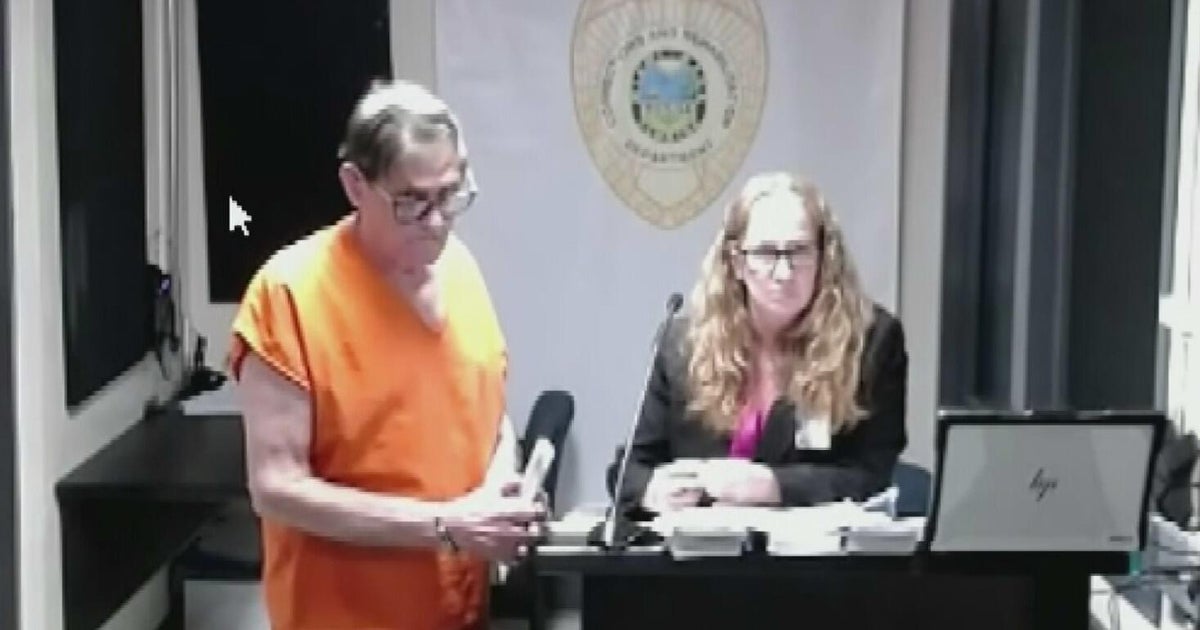
When the verdict was finally read, the courtroom was tense. For Maycock and those who loved Quatisha, the outcome could never erase the pain of loss, but it offered a measure of accountability. Braddy, who had shown little emotion throughout the trial, remained stoic as the sentence was delivered.
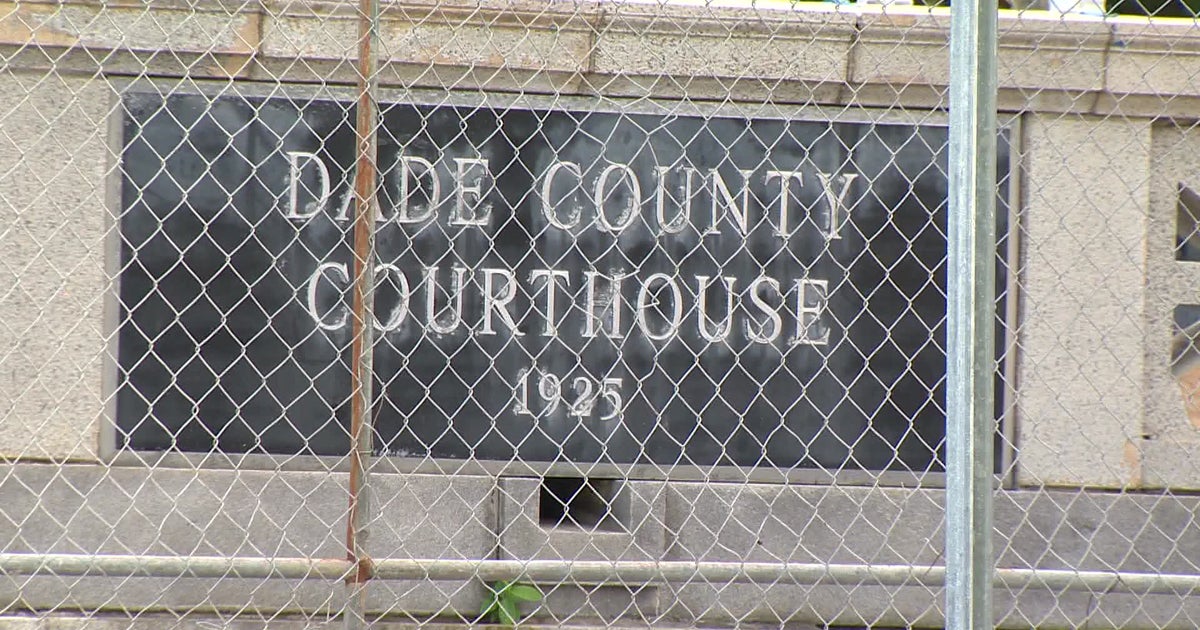
Outside the courthouse, Maycock addressed reporters, holding a framed photo of Quatisha in her arms. “She was my world,” she said softly. “This isn’t just about one family. It’s about protecting other children, about making sure monsters like this are never free again.”
For prosecutors and victims’ families, the lengthy process was emotionally exhausting but necessary.
As the sun set over Miami yesterday, the memory of Quatisha Maycock lingered—a reminder of a life cut short, and of a mother’s resilience in seeking justice for her child.
Reporting contributed by the Miami Herald.